
Submersible Pump Replacement Yuma
When the breaker trips violently and the smell of ozone hits the pump house, your motor is dead in the hole. We deploy heavy hydraulic rigs to pull failed iron from 285 feet deep and install high-torque systems engineered to survive Arizona's hardest water.
Request Immediate Rig Service
Direct line to our service team. No sales fluff.
The Physics of a Dead Motor
The control box clicks, hums violently for three seconds, and then the main breaker slams shut. You flip the breaker back on, and it instantly trips again. You are staring at a dead short. Somewhere down that steel casing, the electrical insulation inside your motor has melted down, exposing bare copper directly to the water column. When you require submersible pump replacement Yuma terrain dictates an unforgiving extraction process. You cannot fix a burnt stator from the surface. The hardware must come up.
A deep well submersible pump operates in a brutal environment. In Yuma, we routinely set these units at an average depth of 285 feet to ensure they sit safely below the dynamic drawdown level during maximum summer usage. At 285 feet, the hydrostatic pressure is immense. The pump operates completely submerged, utilizing the flow of the water moving past its outer shell to dissipate the extreme heat generated by the electrical windings inside. When the cooling process fails, or mechanical trauma compromises the power feed, the motor destroys itself in a matter of hours.
Extracting Heavy Iron from 285 Feet
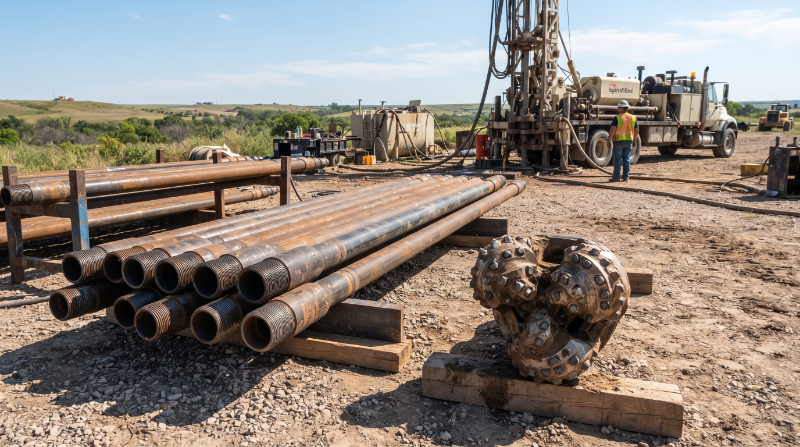
Pulling a dead submersible system is a high-risk mechanical operation. A 1.5-horsepower pump hanging on 285 feet of schedule 120 PVC drop pipe, fully loaded with a static column of water, weighs nearly a thousand pounds. This is not a task for a couple of guys pulling on a rope over the casing. One slip, and that entire string plummets to the bottom of the well, permanently wedging itself into the casing and destroying the borehole.
We deploy specialized pump hoist trucks. We position the hydraulic derrick directly over the wellhead, uncap the sanitary seal, and thread a heavy T-handle into the brass pitless adapter. The winch breaks the pitless seal loose, and we begin hoisting the string out cleanly, section by section. As the pipe clears the casing, our technicians inspect every individual component. We are not just pulling the dead iron; we are diagnosing exactly what killed it so the replacement unit does not suffer the exact same fate.
The Culprits: Wire Chafing and Hard Water Scaling
Submersible motors rarely fail simply because of age. In our territory, premature failure almost always tracks back to two specific localized hazards: violent start-up torque and aggressive calcium scaling.
Catastrophic Wire ChafingTorque Twist
A standard single-phase submersible pump starts abruptly. The moment the pressure switch closes, 230 volts hit the motor, generating massive and instantaneous torque. This torque violently twists the entire 285-foot drop pipe string. If the previous contractor failed to install heavy-duty torque arrestors to absorb this twist, the entire pipe slaps against the inner wall of the steel or PVC casing.
Attached to the outside of that drop pipe is your jacketed 10/3 submersible wire. Every time the pump kicks on, that wire rubs against the rough casing wall. Over a few years, this wire chafing sands the heavy rubber insulation down to bare copper. The moment that bare copper touches the casing or the water, it arcs, creating a dead short to ground that instantly kills the motor. During a replacement, we cut out the damaged wire, install specialized, waterproof heat-shrink splice kits, and lock the new wire down with continuous standoffs and aggressive rubber torque arrestors specifically placed just above the pump body.
Hard Water Thermal BurnoutMineral Scale
The Colorado River basin and the surrounding Yuma aquifers hold heavy concentrations of dissolved minerals, primarily calcium and magnesium. This hard water scaling attaches to metallic surfaces like concrete. Over time, a thick crust of scale forms entirely around the stainless steel housing of the submersible motor.
This mineral blanket acts as extreme thermal insulation. The motor relies on the ambient water physically touching the metal housing to extract heat. When the hard water scale blocks that heat transfer, the internal temperature of the motor skyrockets. The dielectric oil inside the motor boils, the stator insulation melts, and the pump suffers terminal thermal burnout. We combat this by specifying motors built with advanced thermal overload protection and utilizing precise flow sleeves to forcefully direct water velocity directly over the motor jacket, scouring away mineral buildup before it can harden.
The Upgrade: Variable Frequency Drive Pump (VFD)
When executing a submersible pump replacement, installing an identical, outdated single-speed system is a massive missed opportunity. We engineer and install Variable Frequency Drive pump systems to completely eliminate the mechanical hazards that destroy standard hardware.
A traditional system operates via a pressure switch—it is either running at 100% capacity or it is off. A variable frequency drive pump utilizes an advanced electronic controller and a surface-mounted pressure transducer. Instead of a violent start, the VFD controller reads the exact demand at the faucet and slowly ramps up the electrical frequency sent to the motor. This "soft start" completely eliminates the violent torque twist, effectively stopping wire chafing before it can happen.
Furthermore, the VFD manipulates the speed of the deep well submersible pump in real-time. If you open a single faucet to wash your hands, the pump spins up just enough to maintain pressure. If your irrigation system kicks on, the pump instantly ramps up to full speed. This technology allows us to eliminate the massive, failure-prone rubber bladder tanks from your pump house, replacing them with a tiny, two-gallon buffer tank. The result is constant, dead-flat water pressure that mimics a municipal city connection, while simultaneously extending the lifespan of the submerged motor by decades.
Precision Installation Protocol
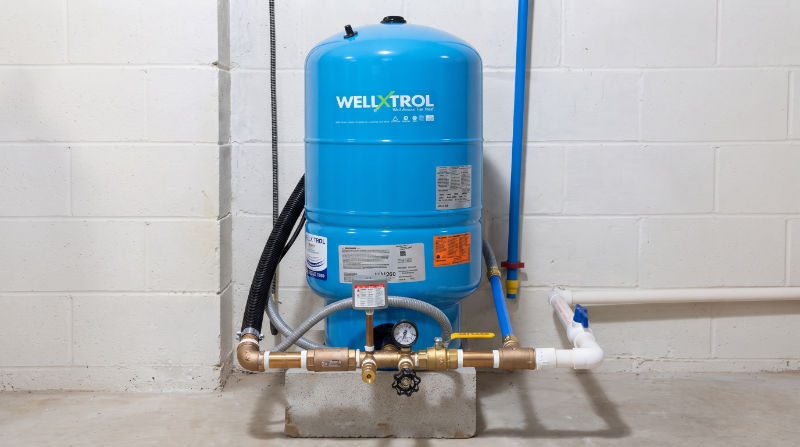
We do not drop a new pump down a dirty hole. Our installation workflow is rigid. Once the dead iron is pulled, we run an exact calculation on the required head pressure based on your static water level and friction loss inside the pipe. We attach the new stainless steel pump to the drop pipe utilizing heavy-duty brass check valves. We tape the submersible wire tight against the pipe every ten feet. We lower the assembly back down the casing strictly under hydraulic control to prevent any abrasion against the casing wall.
Once the unit is seated into the pitless adapter, we completely rewire the surface control box or the VFD controller. We meg the wire from the surface one final time to verify absolute insulation integrity. We fire the system up, set the dynamic flow rate, and verify that the amp draw precisely matches the motor's nameplate rating.
Mobilize the Rig
A burnt motor is not an issue you can troubleshoot with a screwdriver. You need heavy lifting equipment, advanced electrical diagnostics, and heavy-duty mechanical components built to survive the high temperatures and hard water of Yuma County.
Stop resetting breakers and risking an electrical fire. Call Yuma Water Well Drilling at (928) 248-8305 for immediate rig mobilization. We pull the dead weight out of the dirt, diagnose the specific failure point, and drop a commercial-grade, high-yield pumping system into your well. Licensed & Insured.
Heavy hydraulic pull trucks & VFD soft-start upgrades.
Submersible Pump Replacement FAQs
Why did my deep well submersible pump short out?
Pump shorts are typically caused by wire chafing against the casing, a ruptured motor seal allowing water into the copper windings, or severe hard water scaling that prevents the motor from cooling, leading to thermal burnout.
How do you pull a pump from 285 feet deep?
We deploy a specialized hydraulic pump hoist truck. We latch onto the pitless adapter and hoist the entire drop pipe, water column, and pump assembly—which can weigh upwards of 1,000 pounds—out of the casing under strict mechanical control.
What is a variable frequency drive pump?
A variable frequency drive (VFD) pump uses an advanced controller to slowly ramp up the motor's RPMs instead of turning on at full power instantly. This soft-start eliminates mechanical torque, prevents wire chafing, and provides constant, city-like water pressure.