
Agricultural Well Drillers Yuma
When your Somerton produce operation demands 2,500 GPM, you cannot afford a pump failure or a collapsed borehole. We drill large-diameter, high-yield irrigation wells built to run continuously under maximum electrical and mechanical load.
Request High-Volume Irrigation Design
Direct line to our service team. No sales fluff.
The Brutal Math of Yuma Agriculture
A hundred acres of winter lettuce wilting under the Yuma sun does not wait for a driller to figure out his mud viscosity. In the heavy agricultural zones of Somerton and Dome Valley, water is the only metric that keeps an operation solvent. If your irrigation pivot loses pressure, or your flood gates run dry because a subsurface casing collapsed, you are losing tens of thousands of dollars by the hour. You do not need a residential water puncher. You need professional agricultural well drillers Yuma commercial farms trust to move massive volumes of water without interruption.
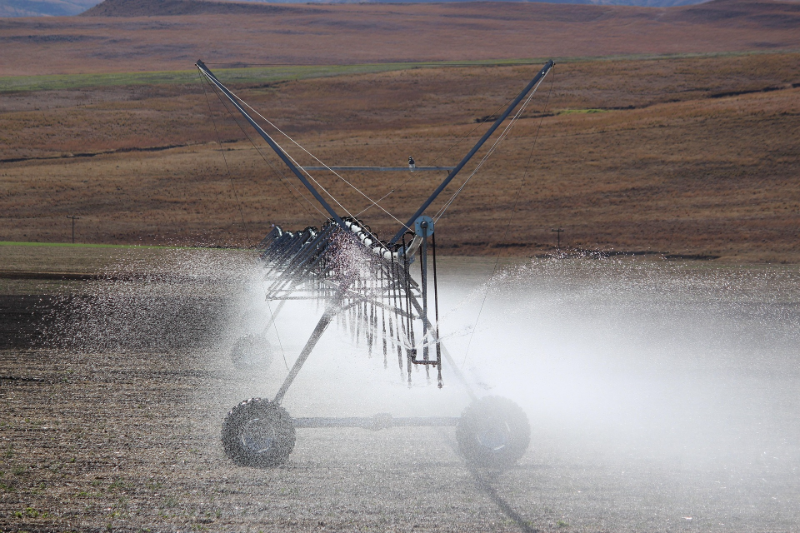
Designing high yield agricultural wells requires a completely different class of machinery and mechanical engineering than domestic projects. A 5-inch PVC pipe with a 3-horsepower pump is useless out here. We are pushing 16-inch to 24-inch heavy-wall carbon steel casing hundreds of feet deep. We are installing massive vertical turbine pumps driven by 200-horsepower hollow-shaft motors operating on 480-volt three-phase power. When the switch is thrown, the system must deliver 2,000 to 3,000 Gallons Per Minute (GPM) relentlessly.
Dome Valley and Somerton: Large-Diameter Drilling Execution
The geological profiles of Somerton and Dome Valley dictate exactly how we deploy our heavy iron. These are prime agricultural sectors heavily dependent on the deep alluvial aquifers of the Colorado River basin. The ground consists of alternating layers of rich silty loam, massive sand lenses, and aggressive river gravel.
Executing large-diameter irrigation well drilling Yuma farmers require in this unconsolidated alluvium means managing astronomical hydrostatic pressures. If we are cutting a 28-inch borehole to set a 16-inch casing, the volume of raw dirt being chewed up by the tricone bit is massive. To keep a hole that size from instantly caving in and burying our drill string, we run high-capacity triplex mud pumps. These pumps force thousands of gallons of heavily weighted bentonite drilling fluid down the hole, plastering the walls and maintaining the structural integrity of the borehole through sheer hydrostatic outward force.
If the mud engineer miscalculates the viscosity or weight of the drilling fluid by even a small margin, the loose gravels of Dome Valley will blow out into the hole, causing a catastrophic collapse. We monitor mud weight continuously at the shaker screens. We do not lose holes, and we do not abandon drill collars in the dirt.
The High Yield Technical Workflow
Building a permanent, high-capacity commercial water source is a rigid, step-by-step industrial process.
1. Pilot Hole and Geophysical E-Logging
Stage 01We never guess where the water is. We drill a smaller-diameter pilot hole straight down through the target formations. Once we hit total depth, we run an electric log (E-log) down the open hole. This tool measures the spontaneous potential and resistivity of the geological layers, instantly identifying the exact thickness and porosity of the high-yielding sand and gravel aquifers. This data allows us to perfectly position our well screens to capture maximum GPM.
2. Reaming and Steel Casing
Stage 02Armed with the E-log data, we trip back into the hole with massive hole-opener bits, reaming the pilot hole out to its final 24-inch or 30-inch diameter. We then lower thick-wall carbon steel casing into the bore. The intake sections consist of machine-slotted or wire-wrapped louvered screens, designed to allow massive water inflow while physically blocking the surrounding formation.
3. Tremie Pipe Gravel Packing
Stage 03To prevent the well from pumping sand and destroying the turbine impellers, we install a highly engineered filter pack. We use a tremie pipe to pump graded silica sand directly into the annular space between the steel screen and the native dirt, starting from the bottom up. Pumping it through a tremie pipe prevents the sand from bridging off prematurely, ensuring a flawless, continuous filter wrap around the entire screened interval.
Violent Well Development
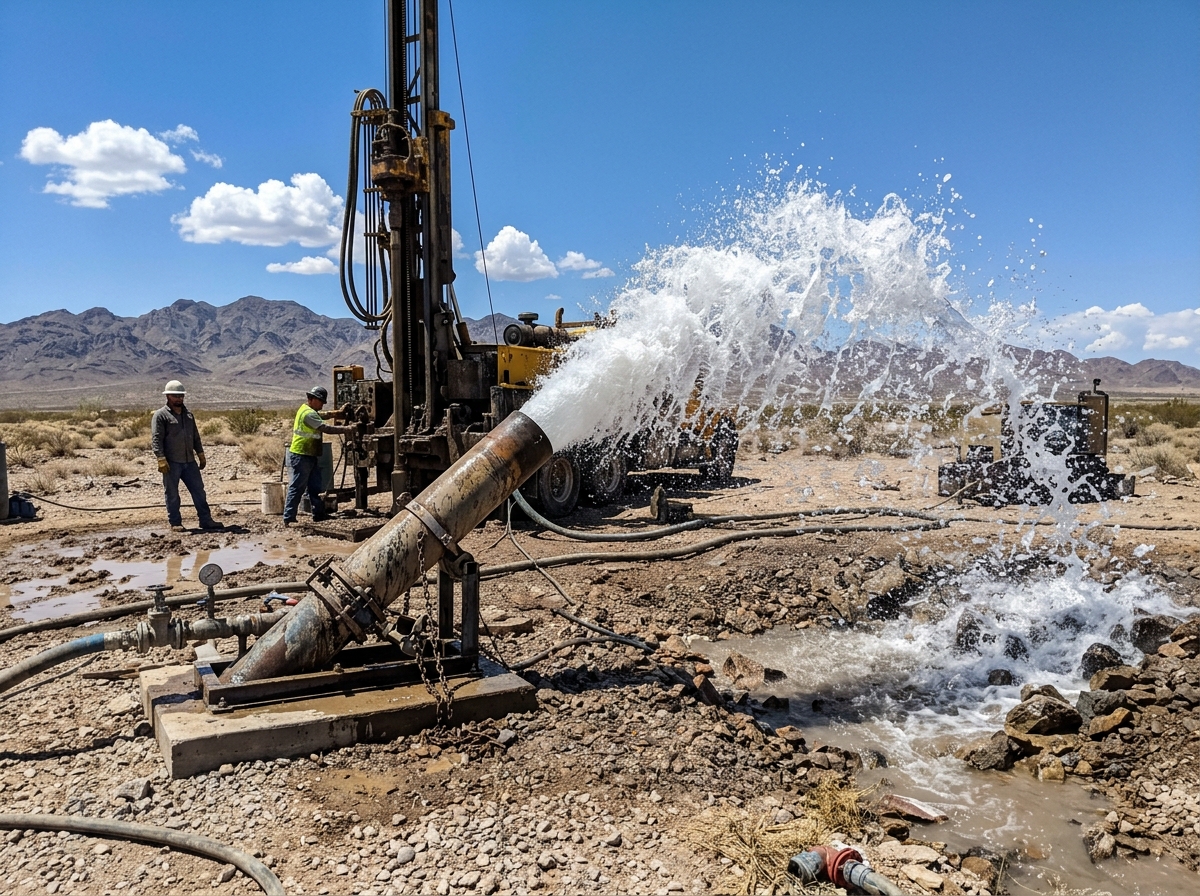
Once the casing and gravel pack are set, the well is completely choked with the thick bentonite mud cake used to hold the hole open during drilling. A newly cased agricultural well will produce zero water until that mud is destroyed.
We deploy heavy-duty development rigs equipped with dual-flange surge blocks. We drop these blocks into the water column and violently plunge them up and down across the screened intervals. This extreme mechanical agitation forces water rapidly out into the gravel pack and violently sucks it back in, shattering the mud cake and pulling the fine silts into the casing. We follow this up with aggressive air-lift pumping, blowing the contaminated water out the top of the casing until it runs perfectly clear. If a well is not aggressively developed, it will pump sand. A 2,500 GPM pump ingesting sand will literally machine its own brass impellers into dust within weeks.
Lineshaft Turbine Pumps and VFDs
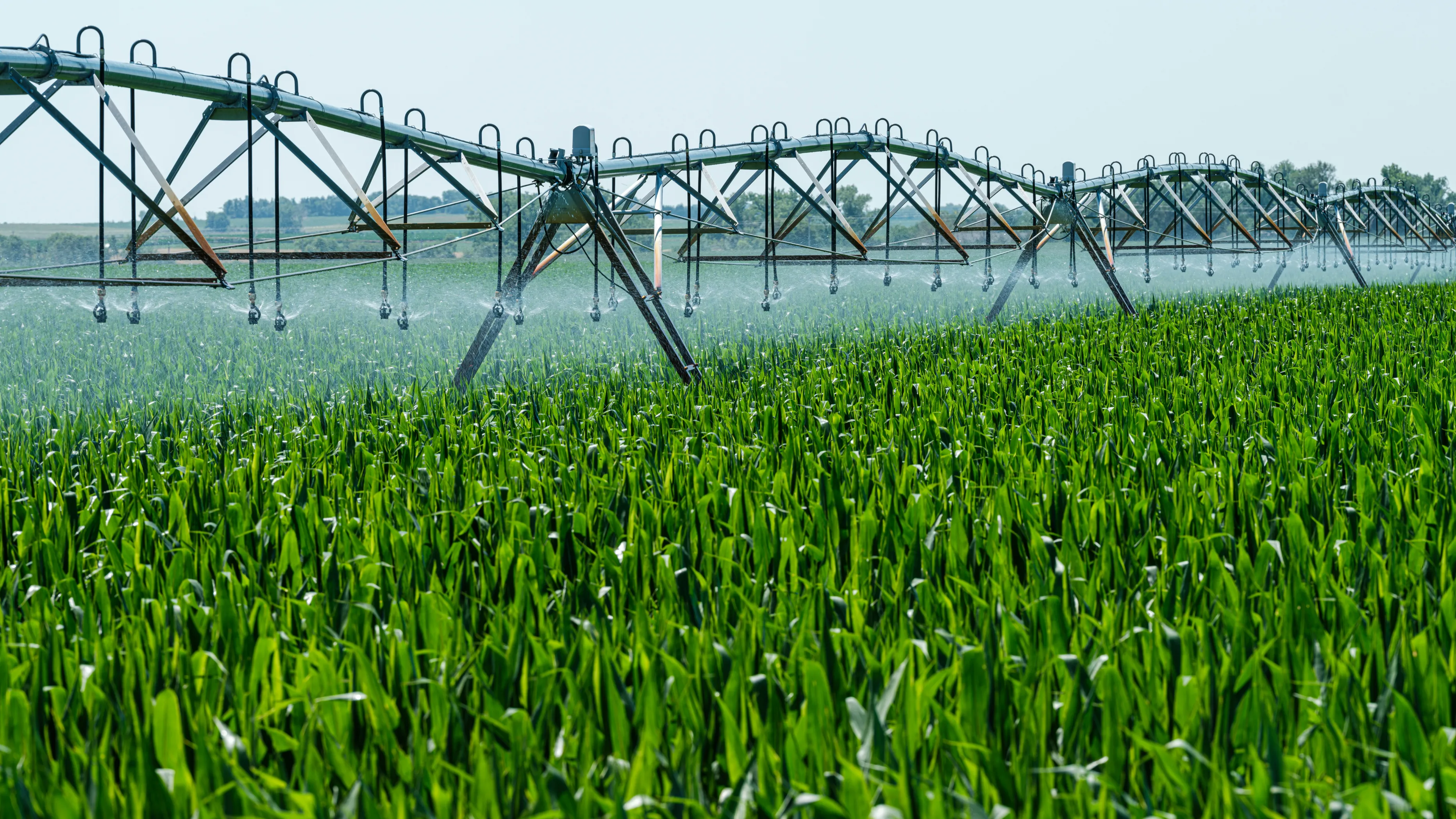
High yield agricultural wells require serious surface hardware. Submersible pumps are fine for domestic applications, but when moving massive volumes of water for Somerton produce fields, we rely on deep well vertical turbine pumps.
These units feature the pump bowl assembly submerged deep in the water, driven by a massive hollow-shaft motor mounted on the surface via a long steel lineshaft. We engineer both oil-lubricated and water-lubricated lineshaft systems depending on the static water levels and local agricultural regulations. To control the massive electrical load and prevent violent water hammer in your irrigation pipes, we install Variable Frequency Drives (VFDs). A VFD ramps the 480-volt power up slowly, soft-starting the pump and allowing you to dial in the exact RPMs and GPM required for different irrigation zones, saving immense amounts of electrical overhead.
ADWR Non-Exempt Permitting Reality
You cannot sneak a 16-inch well past the state. Unlike a standard residential bore, commercial irrigation wells are classified as non-exempt wells by the Arizona Department of Water Resources (ADWR). This means they are subject to grandfathered groundwater rights, strict metering, and heavy reporting requirements.
As a Licensed & Insured contractor, we handle the heavy administrative lifting. We file the exact Notice of Intent, handle the well spacing requirements, and ensure your new well is completely legally compliant with ADWR mandates before our rigs ever burn a drop of diesel on your property. We build water systems to keep you farming, legally and reliably.
Demand Commercial-Grade Execution
Your entire yield depends on the reliability of the hole in the ground and the iron pulling the water out of it. If you operate in Dome Valley, Somerton, or anywhere in the Yuma agricultural sectors, you need a driller capable of handling the fluid dynamics and mechanical load of industrial water extraction.
Call Yuma Water Well Drilling at (928) 248-8305 to discuss high-volume irrigation system design, casing specs, and accurate quotes. We supply the rigs, the mud engineering, and the massive turbine pumps required to flood your acreage.
Engineering high-GPM vertical turbine systems across Yuma County farms.
Agricultural Well Drilling FAQs
How many GPM can a high yield agricultural well produce in Yuma?
Depending on the aquifer characteristics in areas like Somerton and Dome Valley, properly engineered high yield agricultural wells can produce anywhere from 1,000 to over 3,000 Gallons Per Minute (GPM) to sustain massive irrigation pivots and flood systems.
What size casing is used for agricultural well drilling?
Irrigation wells typically require heavy-wall carbon steel casing ranging from 14 inches to 24 inches in diameter to accommodate the large bowl assemblies of deep well vertical turbine pumps.
Are agricultural wells in Arizona regulated differently than domestic wells?
Yes. High-capacity irrigation wells are classified as non-exempt wells by ADWR. They are subject to strict groundwater pumping regulations, mandatory flow metering, and stringent permitting processes before drilling can commence.