
Residential Well Drilling Yuma AZ
You bought dirt out of reach of the municipal water lines. We punch through the Yuma Mesa hard-pan and Fortuna Foothills cobble to build robust, high-pressure residential water systems that survive the desert.
Request a Property Evaluation
Direct line to our service team. No sales fluff.
The Brutal Reality of Yuma County Geology
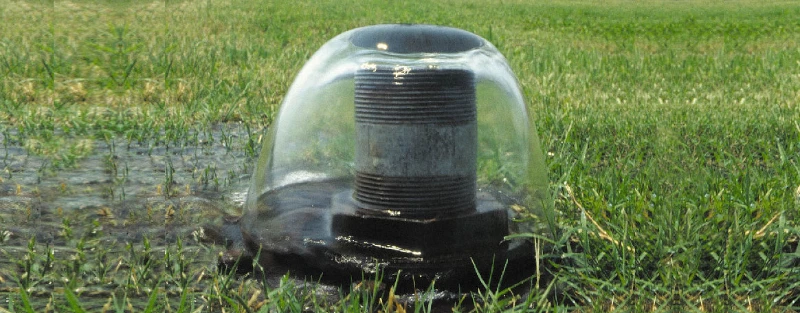
You pull onto your raw parcel of land outside the city limits, and the reality sets in immediately. There are no municipal water taps out here. There are no city pipes buried under the dirt road. If you intend to build a house, run a shower, or keep a patch of grass alive in the brutal 115-degree Arizona summers, you have to find water underground. And getting to that water means fighting through some of the most unforgiving geological conditions in the Southwest.
Drilling a residential well in Yuma County is not a simple matter of spinning a steel pipe into the dirt until it gets wet. We are fighting gravity, extreme temperatures, and wildly varying sub-surface rock formations. As the premier residential well drilling Yuma AZ contractor, we specialize in penetrating the specific hazards of this region. Whether we are dealing with the collapsing cobbles washing off the Gila Mountains or the cemented caliche on the elevated mesa, we deploy heavy-duty mud rotary machinery engineered to break rock and hold the borehole open long enough to install permanent casing.
Arizona's 35 GPM Exempt Well Mandate
Before a rig is mobilized, the legal parameters of your water system must be established. The Arizona Department of Water Resources (ADWR) heavily governs groundwater extraction. For residential properties, the state classifies domestic household wells as "exempt wells."
By legal definition, a 35 GPM exempt well AZ property owners install is restricted to a maximum pumping capacity of 35 gallons per minute. Do not let the word "restricted" fool you. Thirty-five gallons per minute is a massive volume of water for a standard single-family home. It is more than sufficient to run multiple showers simultaneously, operate household appliances, and irrigate a modest landscape footprint. The benefit of this "exempt" status is that the state frees you from the stringent, ongoing groundwater measuring and reporting mandates that commercial and heavy agricultural wells must endure.
However, engineering a system to maximize that 35 GPM limit requires precise math. We must size the submersible pump, the electrical drop wire, the pressure switch, and the surface bladder tanks to handle that exact flow rate. Oversizing a pump beyond the legal 35 GPM limit triggers non-exempt status and heavy state fines. Undersizing the pump leaves your household starving for water pressure when a toilet flushes while the sprinkler system is running. We build the system right up to the legal threshold, guaranteeing aggressive water pressure at every faucet in the house.
Fortuna Foothills vs. Yuma Mesa: The Drilling Contrast
We operate heavily across two completely distinct geological zones in the Yuma area. A drilling strategy that works flawlessly on one side of town will result in a lost drill string and a collapsed hole on the other. The difference between drilling in the Fortuna Foothills and the Yuma Mesa dictates everything from bit selection to the chemical composition of our drilling mud.
The Fortuna Foothills ChallengeAlluvial Fan
Located at the base of the Gila Mountains, the Fortuna Foothills present a massive headache for amateur drillers. The sub-surface here is built entirely of alluvial fans—heavy concentrations of cobble, gravel, and loose rock that have washed down from the peaks over thousands of years. Drilling through this material is violent. The tricone bit grabs and kicks off the heavy rocks, sending massive torque spikes up the drill string to the rig on the surface.
The real danger here is borehole collapse. Because the gravel and cobble are unconsolidated, the walls of the hole want to cave in immediately. To counteract this, we pump heavily weighted sodium bentonite mud down the drill pipe. This thick drilling fluid plasters the walls of the borehole, creating a "mud cake" that physically holds back the loose rock through hydrostatic pressure until we reach the target depth—often plunging past 250 feet to secure adequate drawdown below the static water level.
The Yuma Mesa Hard-PanCaliche Lenses
Moving out to the Yuma Mesa requires an entirely different tactical approach. The Mesa is elevated, meaning the static water table is often buried significantly deeper. But before we ever hit water, we have to fight through thick, heavily cemented lenses of gravel and hard-pan caliche.
Caliche is a natural concrete. It destroys cheap drill bits. In the Mesa, we apply extreme down-pressure using heavy drill collars to force aggressive carbide-insert tricone bits through the rock layers. The drilling here is slower, grinding work. Once we punch through the restrictive hard-pan and hit the underlying aquifer sands, the water flow is highly reliable, but getting the casing set into that pay-zone requires raw mechanical force.
Calculating the Home Well Cost in Yuma
When you call asking for a blind quote, be prepared for a technical discussion. The home well cost Yuma residents pay is calculated directly on a per-foot basis. There is no flat rate because no two properties have the exact same depth to water. Here is what dictates your invoice:
Every foot we drill burns diesel, consumes drilling mud, and causes wear on the tricone bit. Deeper static water levels on the Mesa inherently require more rig time than shallower strikes in parts of the valley.
We install SDR-17 or Schedule 80 PVC casing for residential applications. This prevents rust and corrosion. We also install precision factory-slotted well screens at the bottom of the casing, sized exactly to the sand grain of your specific aquifer to prevent sediment from destroying your pump.
State law demands we install a sanitary surface seal, typically 20 feet deep, using high-solids bentonite grout. This legally required step seals the annular space between the casing and the native dirt, preventing surface bacteria and agricultural chemicals from traveling down the pipe and contaminating your drinking water.
The Residential Drilling Protocol
We do not guess, and we do not skip steps. Building a permanent water source on your property follows a rigid, mechanical workflow.
1. ADWR NOI Permitting
Step 01Before the rig keys are turned, we file the ADWR Form DWR 55-40 (Notice of Intent) on your behalf. We plot the cadastral location, specify the residential use, and clear the legal path for the 35 GPM exempt well classification. We operate strictly within state law. Operating an unpermitted well carries massive liabilities.
2. Mud Rotary Execution
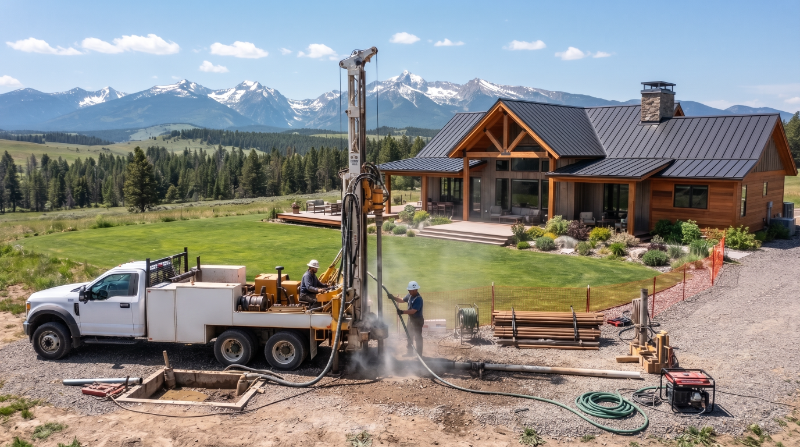
Step 02We level the rig, dig the mud settling pits, and spud in. As we advance the borehole, our technicians take soil samples every 10 feet. This geological log dictates exactly where we will place the solid PVC casing and exactly where the slotted well screens will sit to capture the maximum volume of clean water.
3. Well Development and Air-Lifting
Step 03After the casing and silica sand gravel pack are installed, the well is choked with drilling mud. We drop a surge block down the casing to violently agitate the water column, breaking the mud cake off the borehole walls. We follow this up with high-pressure air compressors, blowing the sand, silt, and mud completely out of the hole until the discharge runs crystal clear. The well is now mechanically developed and ready for a pump.
Submersible Pumps and Surface Tanks
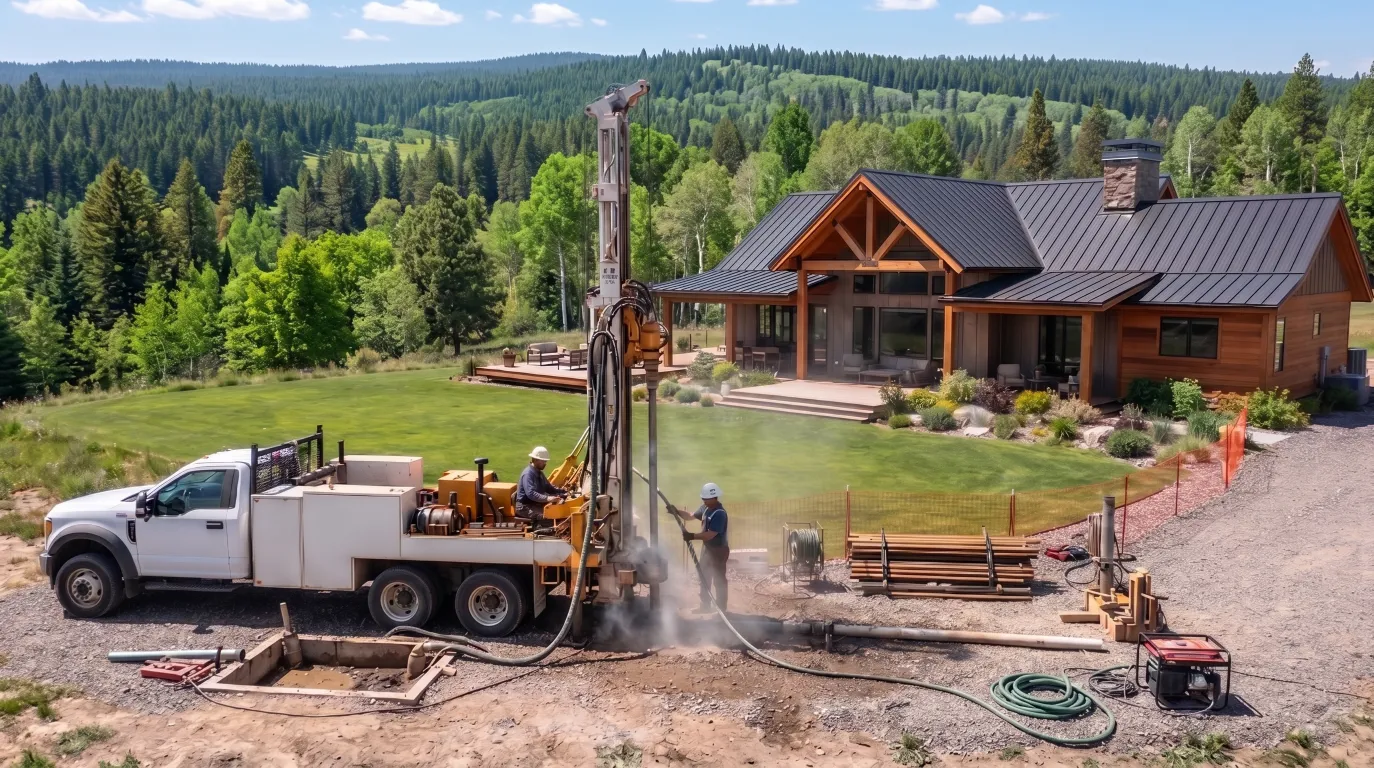
The hole in the ground means nothing without the machinery to pull the water to the surface. We lower a heavy-duty submersible pump down the drop pipe, setting it safely below the dynamic drawdown level. The extreme Yuma heat destroys cheap surface electrical components. We utilize robust, high-amp control boxes and high-capacity pressure bladder tanks designed to minimize short-cycling. A properly sized pressure tank provides the necessary buffer, allowing the pump to rest between cycles and significantly extending the lifespan of the submerged motor.
Demand High-Yield Results
If you are building a home in Yuma, AZ 85367, or anywhere else off the municipal grid, your property's value and livability hinge entirely on the reliability of your water well. We provide the heavy iron, the geological expertise, and the mechanical execution required to secure a permanent water supply.
Call Yuma Water Well Drilling at (928) 248-8305. We will evaluate your parcel's location, discuss the expected drilling logistics for the Foothills or the Mesa, and handle the ADWR paperwork to get your rig scheduled. Do not trust your home's water supply to amateurs. Hire a Licensed & Insured contractor equipped to handle the desert.
Direct service for 35 GPM exempt residential drilling surveys.
Residential Well Drilling FAQs
What is a 35 GPM exempt well in Arizona?
Under ADWR regulations, a residential water well is classified as an 'exempt well,' which legally limits the maximum pumping capacity to 35 gallons per minute. This classification exempts the well from mandatory water use reporting while providing more than enough flow and pressure for domestic household use.
What factors determine the home well cost in Yuma?
The cost to drill a residential well in Yuma is calculated on a per-foot basis. Total pricing depends on the depth required to reach a stable aquifer, the local geology (hard-pan on the Mesa versus alluvial cobble in the Foothills), the diameter of the PVC casing, and the size of the required submersible pump.
How does drilling in the Fortuna Foothills differ from the Yuma Mesa?
The Fortuna Foothills consist of aggressive alluvial fans and heavy cobbles washing off the Gila Mountains, which require heavy bentonite mud to prevent borehole collapse. The Yuma Mesa features calcified lenses and hard-pan caliche, requiring specialized carbide tricone bits to punch through the cemented layers.